NeuroEdge - Order
Non-Invasive Neuralink Alternative | Advanced Brain Stimulation
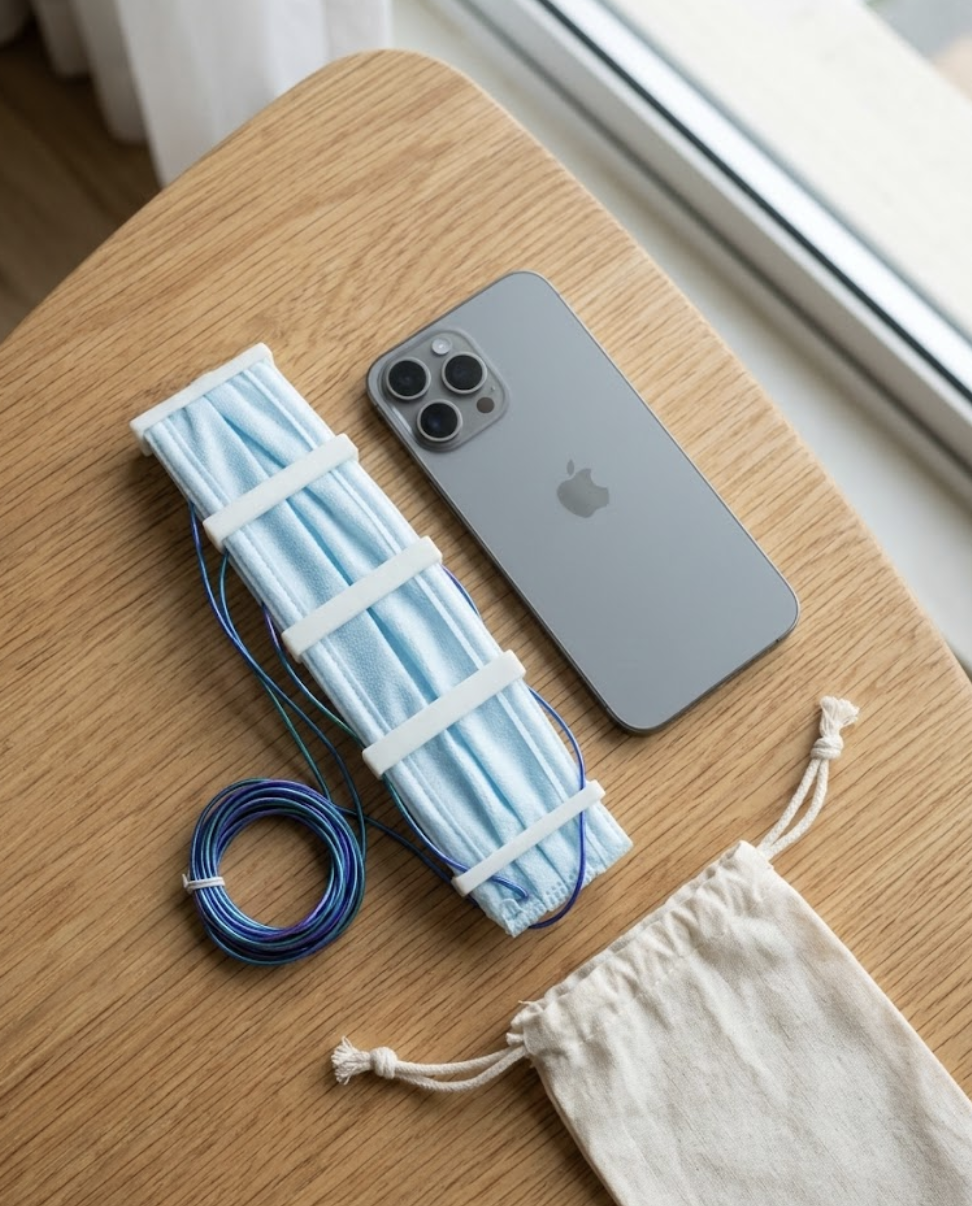
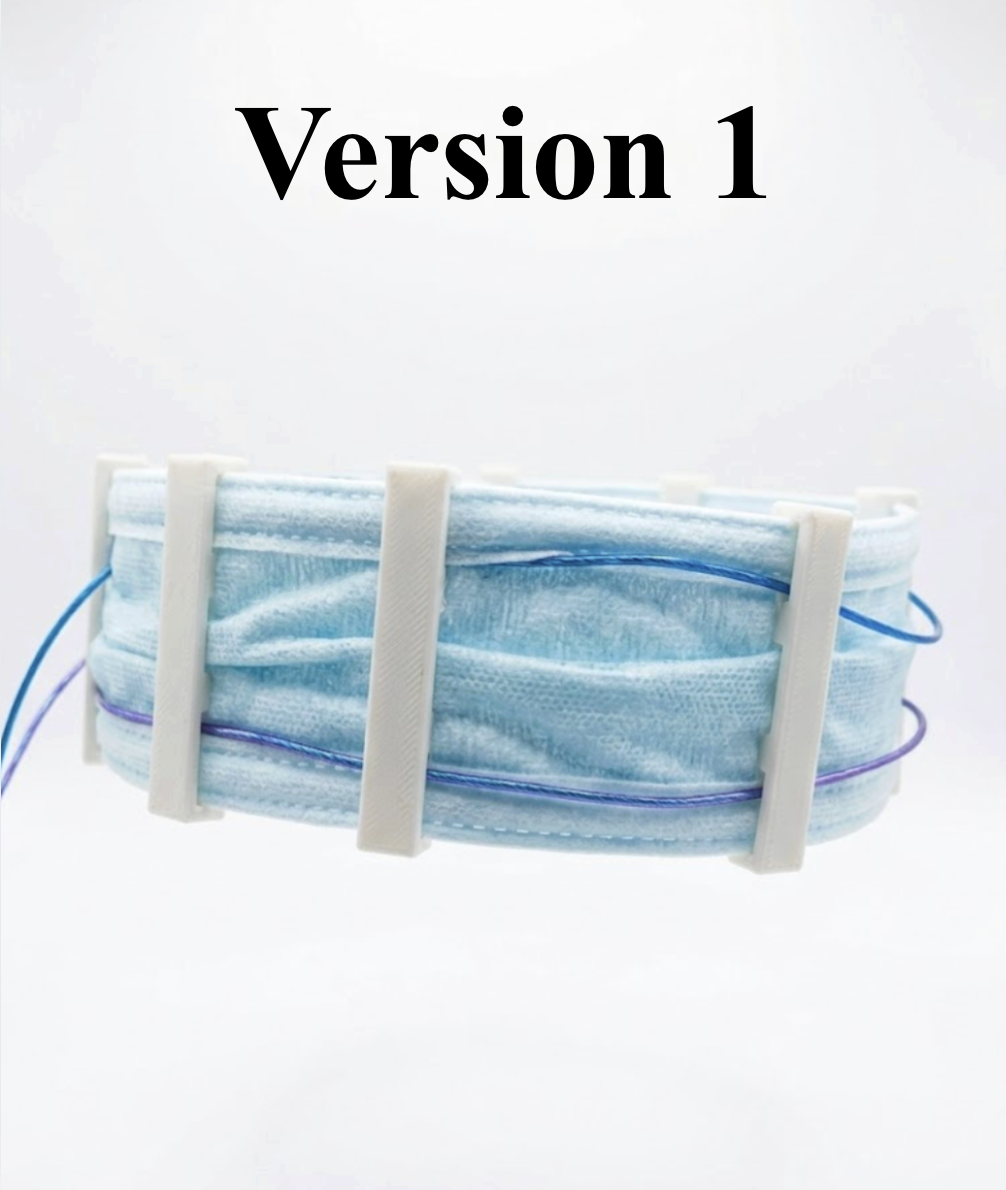
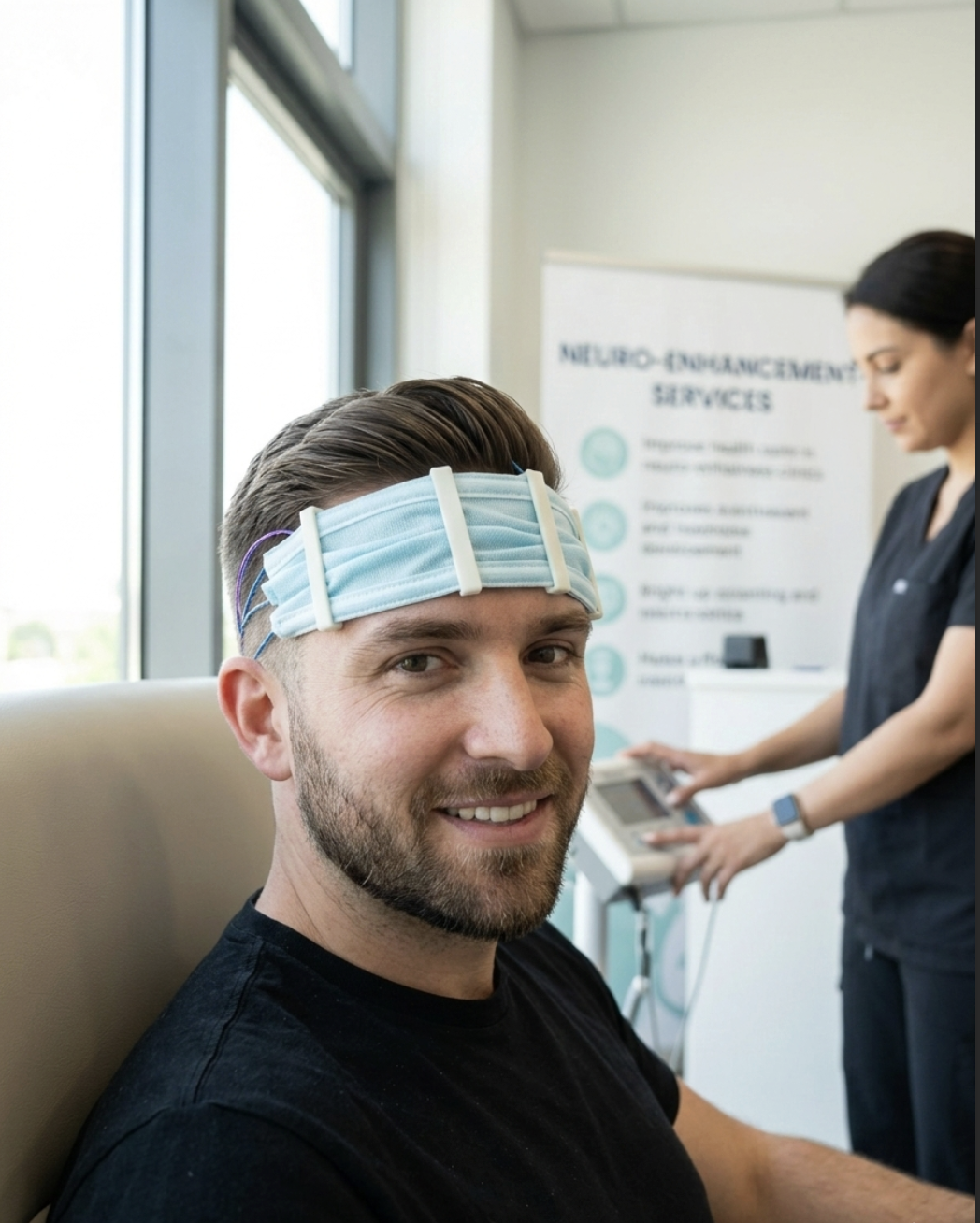
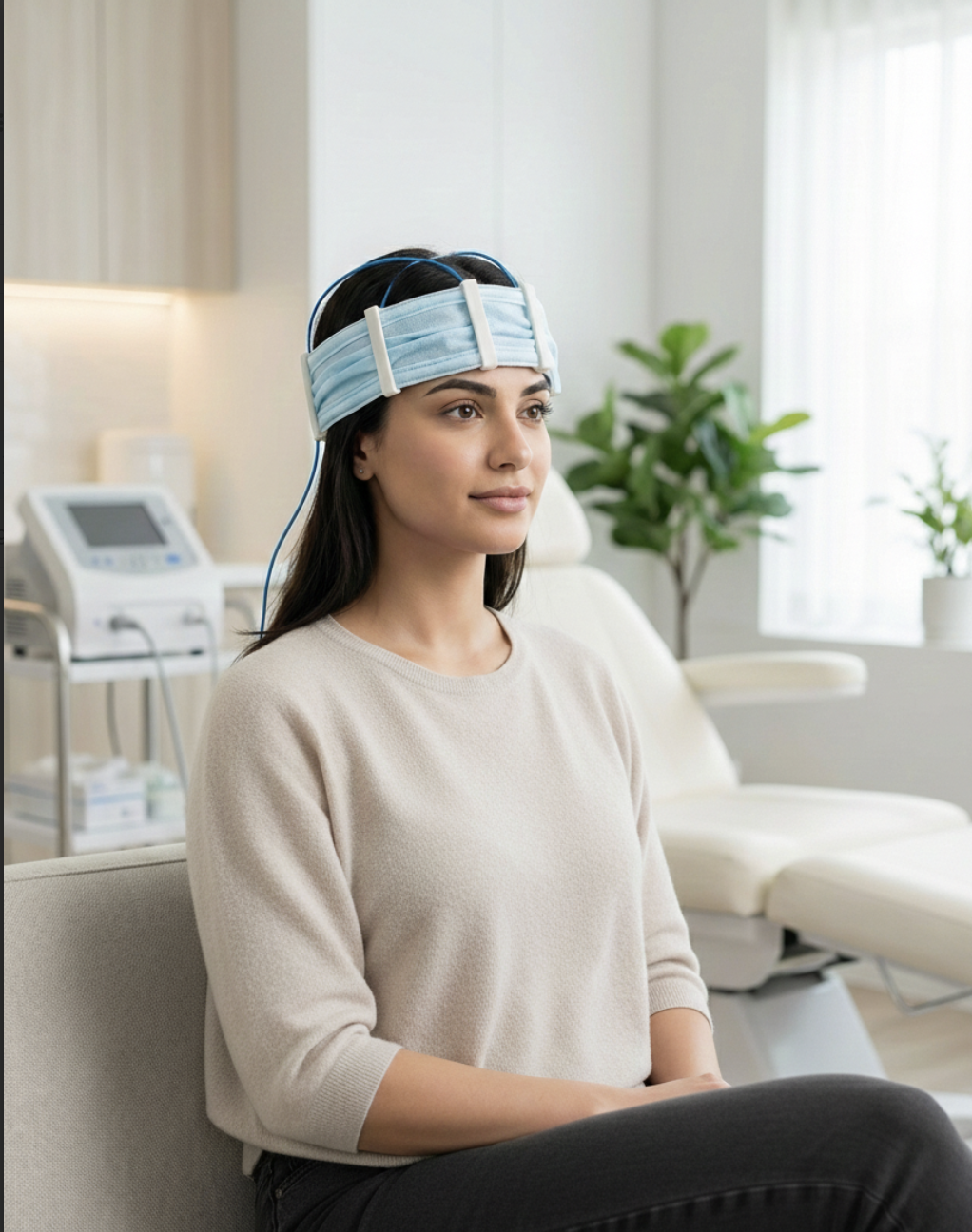

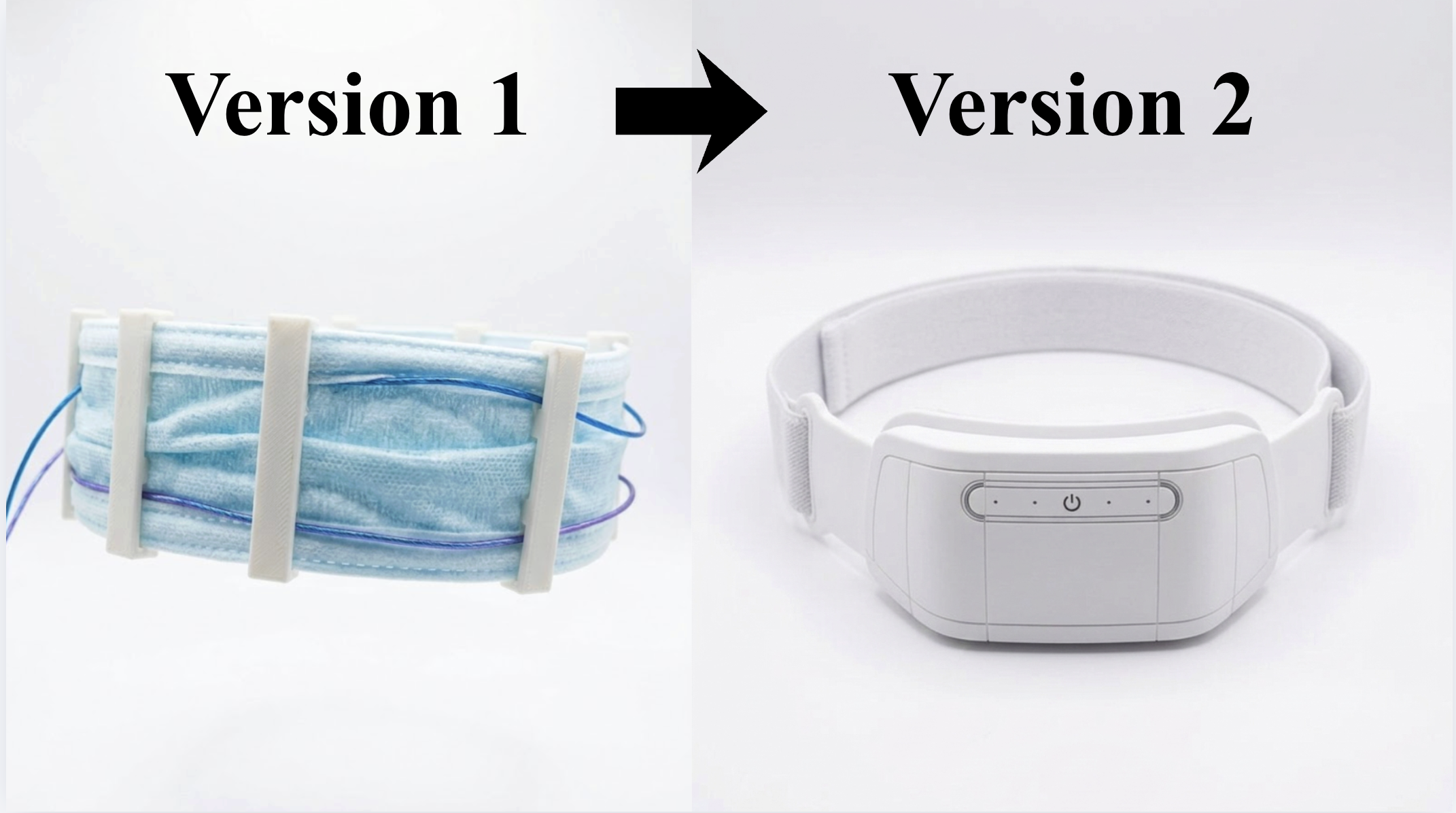
This order includes both versions • Priority shipping for early adopters
Stimulate. Focus. Perform.
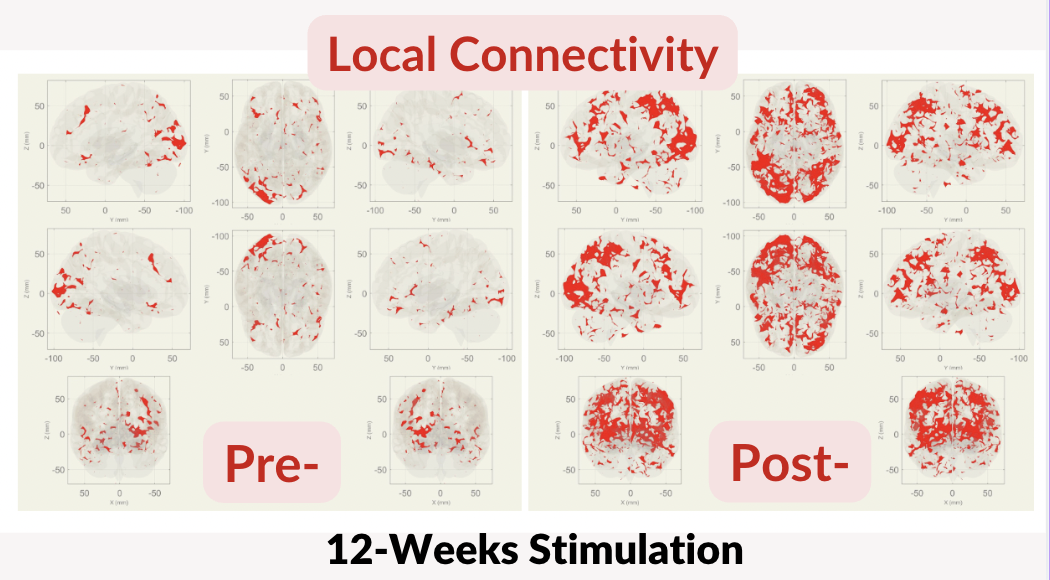
Our proprietary amplitude-modulated transcranial electrical stimulation (am-tPCS/am-tPRNS) technology targets neural connectivity across the frontal cortex, promoting adaptive neuroplasticity and enhanced cognitive function.
Key Features:
- Helps your brain switch into deep focus mode
- Supports faster, clearer thinking
- Trains your brain to perform better over time
- Worn on the outside — nothing invasive, nothing permanent
- 2-electrode optimized placement system
- Gentle micro-currents — like a workout for your mind
Device Specifications
Our device features adjustable sizing and premium materials for maximum comfort during extended use.
| Feature | Specification | Details |
|---|---|---|
| Current Range | 0–2mA | Safe, controlled stimulation |
| Electrodes | 2-electrode system | Optimized frontal placement |
| Session Duration | 15 minutes | Recommended daily use |
| Waveform | am-tPCS/am-tPRNS | Proprietary modulation |
Scientific Foundation: Neural Network Modulation
Mechanisms of Action: Frontoparietal Network Connectivity
Transcranial electrical stimulation modulates neural network connectivity through multiple neurophysiological mechanisms. Research demonstrates that electrical stimulation can alter functional connectivity patterns within the frontoparietal network, a key neural system supporting cognitive control, working memory, and executive function.
Neuroplasticity and Synaptic Modulation
Electrical stimulation induces activity-dependent neuroplasticity by modulating neuronal excitability and synaptic efficiency. Studies show that transcranial electrical stimulation can:
- Modulate cortical excitability through changes in neuronal membrane potentials
- Enhance synaptic plasticity via long-term potentiation (LTP) mechanisms
- Increase functional connectivity between prefrontal and parietal cortices
- Facilitate neural oscillation synchronization in theta and alpha frequency bands
Frontal Lobe Connectivity Enhancement
The dorsolateral prefrontal cortex (DLPFC) exhibits flexible, adaptive coding that supports behavioral flexibility by dynamically recoding task-relevant information. Research demonstrates that baseline frontoparietal connectivity predicts learning outcomes, with stronger positive connectivity associated with improved cognitive performance in tasks requiring working memory and executive control.
Network-Level Plasticity
Neural network reorganization occurs through large-scale connectivity pattern modifications. Electrical stimulation can induce:
- Functional reorganization: Adaptive changes in neural circuit connectivity patterns
- Cortical remapping: Alterations in regional activation and integration
- Enhanced neural efficiency: Optimized information processing across distributed networks
- Homeostatic plasticity: Balanced excitatory and inhibitory neural dynamics
Research Evidence: Cognitive Enhancement Studies
Multiple peer-reviewed studies have investigated transcranial electrical stimulation effects on cognitive function. While results vary based on stimulation parameters, target regions, and individual differences, research demonstrates potential for modulating neural connectivity and cognitive processes.
Key Research Findings:
- Working Memory Enhancement: Otstavnov et al. demonstrated that multifocal stimulation targeting frontoparietal networks improved working memory performance during cognitively demanding tasks (2025).
- Learning Acceleration: Research by Fathi Azar et al. showed that electrical stimulation enhanced learning efficiency in individuals with low baseline cognitive performance through modulation of neurotransmitter systems (2024).
- Attention and Perception: Studies indicate stimulation of visual and prefrontal cortices can improve perceptual decision-making and attention-related cognitive functions, with brain stimulation during training boosting learning and altering functional connections (Communications Biology, 2025).
- Neural Connectivity: Cárdenas-Morales et al. demonstrated that resting-state functional connectivity and network organization significantly relate to cortical plasticity magnitude in response to brain stimulation (2014).
Selected Research References
- Santarnecchi, Emiliano, et al. “Enhancing Cognition Using Transcranial Electrical Stimulation.” Current Opinion in Behavioral Sciences, vol. 4, 2015, pp. 171-178. doi:10.1016/j.cobeha.2015.04.003.
- Chan, Mandy M. Y., et al. “The Neurobiology of Prefrontal Transcranial Direct Current Stimulation (tDCS) in Promoting Brain Plasticity: A Systematic Review and Meta-Analyses of Human and Rodent Studies.” Neuroscience & Biobehavioral Reviews, vol. 125, 2021, pp. 392-416. doi:10.1016/j.neubiorev.2021.02.035.
- Vendetti, Michael S., and Silvia A. Bunge. “Evolutionary and Developmental Changes in the Lateral Frontoparietal Network: A Little Goes a Long Way for Higher-Level Cognition.” Neuron, vol. 84, no. 5, 2014, pp. 906-917. doi:10.1016/j.neuron.2014.11.002.
- Otstavnov, Nikita, et al. “Multifocal Transcranial Electrical Stimulation to Enhance Cognitive Functions: A Systematic Review.” Frontiers in Neuroscience, vol. 19, 2025. doi:10.3389/fnins.2025.1698215.
- Puderbaugh, Matt, and Prabhu D. Emmady. “Neuroplasticity.” StatPearls, StatPearls Publishing, 2023. PMID: 32809353.
- Cárdenas-Morales, Lizbeth, et al. “Network Connectivity and Individual Responses to Brain Stimulation in the Human Motor System.” Cerebral Cortex, vol. 24, no. 7, 2014, pp. 1697-707. doi:10.1093/cercor/bht023.
- Fathi Azar, Elnaz, et al. “Effects of Transcranial Electrical Stimulation on Academic and Cognitive Skills in Individuals with Specific Learning Disabilities: A Systematic Review.” Clinical Neurophysiology, vol. 166, 2024, pp. 23-37. doi:10.1016/j.clinph.2024.10.011.
- Feltman, Kelsey A., et al. “Transcutaneous and Transcranial Electrical Stimulation for Enhancing Military Performance: An Update and Systematic Review.” Frontiers in Human Neuroscience, vol. 19, 2025. doi:10.3389/fnhum.2025.1501209.
- Miniussi, Carlo, et al. “Transcranial Electrical Stimulation: How Can a Simple Conductor Orchestrate Complex Brain Activity?” PLOS Biology, vol. 21, no. 1, 2023. doi:10.1371/journal.pbio.3001973.
- Maslen, Hannah, et al. “Regulation of Devices for Cognitive Enhancement.” The Lancet, vol. 382, no. 9895, 2013, pp. 938-939. doi:10.1016/S0140-6736(13)62374-5.
Important Research Considerations
Individual responses to transcranial electrical stimulation vary based on baseline neural connectivity patterns, cognitive state, stimulation parameters, and genetic factors. Research demonstrates that effects are influenced by electrode placement, current intensity, waveform characteristics, and individual neurophysiological differences. Optimal stimulation protocols remain an active area of scientific investigation, with ongoing research exploring personalized approaches based on neuroimaging biomarkers and functional connectivity profiles.
Regulatory Status & Safety Notice
This device has not been evaluated or approved by the FDA for any medical use. It is not intended for the diagnosis, treatment, cure, mitigation, or prevention of any disease or medical condition. The device is designed for general wellness, cognitive research, and neuroplasticity exploration purposes only. All references to research studies are provided for educational purposes to explain the scientific basis of transcranial electrical stimulation technology. These references do not constitute claims about the efficacy or safety of this specific device for any medical or cognitive enhancement purpose.
Not All Brain Stimulation Is Created Equal
See what makes U: The Mind different
| Feature | Traditional tDCS Standard Devices | am-tPRNS Our Technology |
|---|---|---|
|
Safe, Non-Invasive
Gentle electrical stimulation with no surgery required
|
✓ | ✓ |
|
Easy to Use at Home
Designed for convenient daily sessions
|
✓ | ✓ |
|
Supports Focus & Mental Clarity
Enhances cognitive performance
|
✓ | ✓ |
|
Variable Stimulation Patterns
Prevents your brain from adapting to repetitive signals
|
× | ✓ |
|
Random Noise Technology
Keeps your brain actively engaged session after session
|
× | ✓ |
|
Sustained Long-Term Effectiveness
Maintains benefits without habituation over time
|
× | ✓ |
Find the Right Brain Technology for You
Understanding different approaches to brain wellness
| Feature | Surgical BCI Implanted Devices | tDCS Basic Devices | U: am-tPRNS Our Technology |
|---|---|---|---|
|
Approach
How the technology works
|
Surgical implant | External constant | External variable |
|
Use at Home
Designed for independent daily use
|
× | ✓ | ✓ |
|
Start Using Immediately
No procedures or waiting periods
|
× | ✓ | ✓ |
|
Focus & Cognitive Support
Designed to support mental clarity
|
✓ | ✓ | ✓ |
|
Mood & Wellness Support
Designed to support emotional well-being
|
× | ✓ | ✓ |
|
Intelligent Pattern Variation
Like interval training, constantly changing stimulation
|
× | × | ✓ |
|
Anti-Habituation Design
Prevents your brain from adapting to repeated patterns
|
× | × | ✓ |
|
Sustained Engagement
Designed for long-term benefit without plateauing
|
× | × | ✓ |
NeuroEdge is not affiliated with, endorsed by, or connected to Neuralink Corporation in any way.
FAQ - All Questions & Answers
Gentle transcranial electrical stimulation (am-tPRNS) targeting both brain hemispheres to enhance coherence and neural connectivity. 15-minute sessions with 2-electrode system.
Supported by decades of brain stimulation research.
Not yet, but we're working on it. We plan to partner with an HSA/FSA payment provider in the future — allowing you to purchase with your credit card, complete a health survey, and receive a Letter of Medical Necessity from a licensed provider if eligible, so you can submit for reimbursement and save ~30% with pre-tax funds. Stay tuned.
Version 1 ships in 1-3 months may vary with high demand. We'll keep you updated. Version 2 ships in 6-12 months. Both included with pre-order.
Mild tingling sensation during use. Brief light flashes may occur completely normal. Skin adapts within a few days.
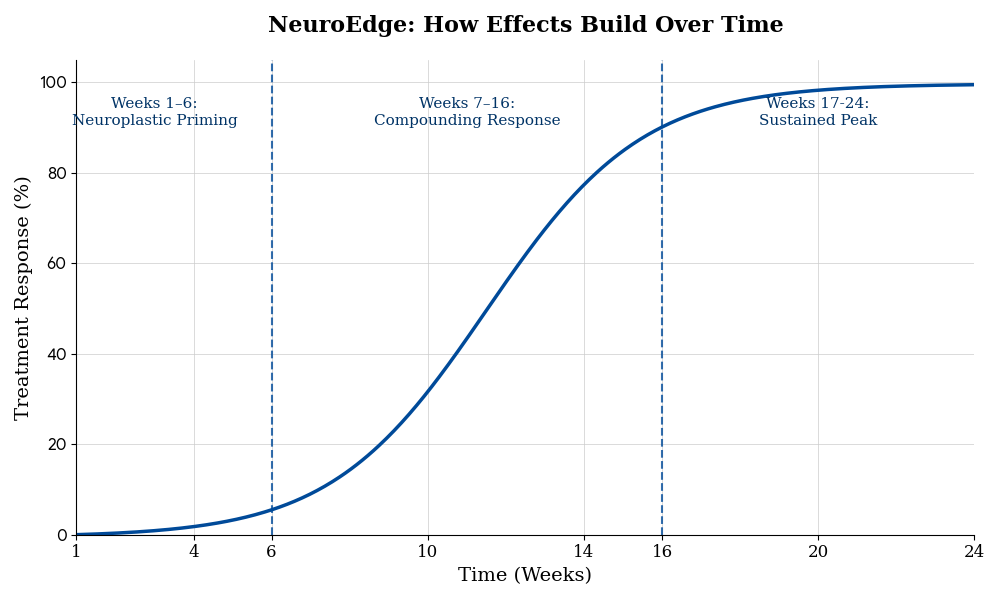
Use for at least 6 weeks. Effects on focus, cognitive enhancement, and mood build up over time with consistent use.
Most devices target one hemisphere left DLPFC only. We target both hemispheres to increase coherence across left and right brain regions for balanced enhancement.
Like bodybuilding, your brain adapts to stimulation. Our patented randomized pulse technology prevents adaptation by continuously varying the signal unlike standard tDCS that uses fixed patterns.
15 minutes daily for optimal results. Follow included protocol.
30-day money-back guarantee from receipt of Version 1.
Anyone with pacemakers, cochlear implants, deep brain stimulators, or electronic medical implants. Consult your physician before use if you have medical conditions.
No. Not FDA-evaluated or approved. Not intended to diagnose, treat, cure, or prevent disease. For general wellness only.